
Restaurants face consequences for failing to meet health and safety standards.
The Importance of Restaurant Inspections
Restaurant inspections are a crucial aspect of ensuring public health and safety. These inspections are conducted by local health departments to evaluate the cleanliness, sanitation, and overall condition of restaurants. The results of these inspections can have a significant impact on the reputation and success of a restaurant.
The Role of Inspectors
Inspectors play a vital role in conducting these inspections. They are trained professionals who are responsible for evaluating the restaurant’s food handling practices, storage, and preparation procedures. They also check for proper waste disposal, cleanliness, and overall sanitation of the facility.
The Consequences of Non-Compliance
Non-compliance with health and safety regulations can have severe consequences. Restaurants that fail to meet the required standards can face fines, penalties, and even closure. In some cases, non-compliance can also lead to foodborne illnesses and other health issues.
The Case of AJ Christopher’s Pizza & Beer
AJ Christopher’s Pizza & Beer, a restaurant located in Parkesburg, recently opened its doors on December 6. According to the inspection report, the restaurant received a clean bill of health with no violations.
A pest control service has been hired to address the violations.
Introduction
The food facility in question is a commercial kitchen that has been found to have several critical violations that pose a risk to the health and safety of consumers. The violations are a result of inadequate cleaning and sanitation practices, poor pest control, and misuse of chemicals. In this article, we will delve into the specific violations found and explore the potential consequences of these issues.
Violations Found
Check for and remove any debris or obstructions in the wine cooler’s drainage system.
Cleaning and Maintenance of Wine Coolers
Introduction
Wine coolers are designed to keep wine at a consistent temperature, allowing for optimal aging and enjoyment.
The dumpster is not being emptied regularly, and the business is not taking steps to maintain the cleanliness of the inspection area.
Inspection Report
Introduction
The Creekside Diner, located at 717 W. Baltimore Pike in Kennett Square, was inspected on December 6, 2023. The purpose of this inspection was to evaluate the cleanliness and maintenance of the premises, as well as the overall health and safety of the food establishment.
Observations
Conclusion
The inspection revealed several concerns regarding the cleanliness and maintenance of the Creekside Diner. The overflowing dumpster, the presence of debris and trash, and the improper storage of the scrapple all indicate a lack of attention to detail and a failure to maintain a clean and safe environment for customers.
Temperature control is key to preventing foodborne illnesses.
The Importance of Temperature Control in Food Safety
Temperature control is a critical aspect of food safety, and its importance cannot be overstated. The goal of temperature control is to prevent the growth of harmful bacteria, such as Salmonella and E. coli, which can cause foodborne illnesses. In the context of ready-to-eat food, temperature control is particularly crucial, as it can make or break the safety of the product.
The Risks of Temperature Fluctuations
Temperature fluctuations can have devastating consequences for food safety. When food is not stored or held at a consistent temperature, bacteria can multiply rapidly, leading to the growth of pathogens. This can result in foodborne illnesses, which can be severe and even life-threatening. For example, Salmonella can cause symptoms such as diarrhea, abdominal cramps, and fever, while E. coli can lead to more severe symptoms, including kidney failure.
The Role of Temperature Control in Preventing Foodborne Illnesses
Temperature control plays a critical role in preventing foodborne illnesses. By holding food at a consistent temperature, food manufacturers and food handlers can prevent the growth of bacteria and other pathogens.
Labeling and Organization
Labeling and organizing your storage containers is crucial for maintaining a clean and efficient kitchen. This includes labeling secondary dry good containers with common food labels, ensuring that scoops for ice cream toppings are stored in a designated area, and keeping personal items separate from food and cooking supplies.
Common Food Labels
When labeling secondary dry good containers, it’s essential to use common food labels to avoid confusion. This includes using labels such as “Spices,” “Baking Supplies,” or “Snacks.” Using these labels helps to quickly identify the contents of the container and prevents accidental contamination or cross-contamination of food.
Designated Areas
Designating a specific area for personal items, such as toiletries or cleaning supplies, is also crucial for maintaining a clean and organized kitchen. This helps to prevent personal items from being stored in food or cooking areas, reducing the risk of contamination and making cleanup easier.
Storage Tips
Here are some additional storage tips to help you maintain a clean and organized kitchen:
The following is a sample of a Wawa store complaint email. This email contains an issue with the coffee station, where the author observed a leak, which they request be repaired and the area cleaned.
The Importance of Proper Food Storage and Handling
Proper food storage and handling are crucial elements in maintaining a clean and safe food facility. At Carlino’s Specialty Foods and Catering, employees are reminded of the importance of adhering to proper food storage and handling procedures to ensure the quality and safety of their products.
The Risks of Improper Food Storage
Improper food storage can lead to a range of problems, including:
The Benefits of Proper Food Storage
Proper food storage and handling can have numerous benefits, including:
The Importance of Employee Education
Employee education is critical in ensuring that proper food storage and handling procedures are followed.
The data plate is located on the food service equipment, such as the dishwashing machine, and is a visual indicator of the sanitizer level.
- • The facility must provide a thermometer for ensuring proper temperatures of food. • Pre-cooked foods in the walk-in refrigerator must be properly dated. • Fly glue strips should not be hung in any food prep areas. ## Introduction
- Key Takeaways:**
- Use the other bar dishwasher until the left side bar dishwasher is fixed or serviced. Ensure that all hot held foods stay over 135 degrees F. Use a thermometer to measure the high temperature dishwasher. ## Conclusion
- ## The Importance of Proper Food Storage in the Workplace
- Potential allergen exposure risk**
- The two door “cooked foods” cooler was observed to be in disrepair and not in use. The cooler was not functioning properly, and the door was not closing or opening correctly. This is a critical issue, as the cooler is used to store perishable food items, such as meat, dairy products, and prepared meals. If the cooler is not functioning correctly, it can lead to food safety issues and contamination. The cooler must be repaired or replaced to ensure the food is stored safely and hygienically. ## Equipment Inspection Report
- The two door “cooked foods” cooler was observed to be in disrepair and not in use. The two beer coolers at the bar were observed to be in good condition and functioning properly. The ice machine was observed to be in good condition and functioning properly. The trash cans were observed to be in good condition and functioning properly. ### Equipment Recommendations
- The two door “cooked foods” cooler must be repaired or replaced. The two beer coolers at the bar must be inspected regularly to ensure they are functioning properly. The ice machine must be inspected regularly to ensure it is functioning properly.
Cleaning the Front Counter
The front counter is a high-traffic area that requires regular cleaning to maintain a clean and welcoming atmosphere. The light fixtures at the front counter are a crucial part of this process. Unfortunately, they have become a breeding ground for dead beetles, which can be unsightly and even pose a health risk to customers. The presence of dead beetles in light fixtures can be attributed to the accumulation of dust and debris, which can provide a habitat for these pests. Regular cleaning of the light fixtures is essential to prevent the buildup of dust and debris, and to eliminate any potential health risks. A thorough cleaning of the front counter light fixtures is necessary to remove any dead beetles and prevent future infestations.
Cleaning the Freezers and Refrigerator Units
The freezers and refrigerator units in the store are also in need of cleaning. The fan covers on these units are particularly prone to accumulating dust and debris, which can reduce their efficiency and even cause them to malfunction. The fan covers on freezers and refrigerator units should be cleaned regularly to ensure optimal performance and prevent damage. A gentle cleaning product and a soft-bristled brush can be used to remove dust and debris from the fan covers. Regular cleaning of the fan covers can help to prevent the buildup of dust and debris, and can even help to extend the lifespan of these units.
Cleaning the Bathrooms
The bathrooms in the store are also in need of cleaning. The light fixtures in these areas are particularly prone to accumulating dust and debris, which can create an unsightly and unhealthy environment for customers. The light fixtures in bathrooms should be cleaned regularly to remove any dust and debris that may have accumulated.
6 inches off the floor would mean 3 feet off the floor. 3 feet off the facility’s floor would be the facility’s ceiling. 3 feet off the floor is a standard for storing sensitive information and confidential documents in facilities that have ceiling heights of 9 feet or more. 6 inches off the floor is not sufficient to protect sensitive information from tampering, theft or damage from moisture. 3 feet off the floor is the minimum height to store sensitive information in facilities with 9 feet or more ceiling heights.
Giant Food Store #6051, 153 E. Swedesford Rd. Exton, Follow-up, December 3. Pass. No violations. Heatherwood Retirement Community, 3170 Horseshoe Pike, Honey Brook, Follow-up, December 3. Pass. Facility does not have available sanitizer test strips or test kit to determine appropriate sanitizer concentration at the three-compartment sink. Correct within 7 days. Kimberton Whole Foods, 429 E. King Rd. Malvern, December 3. Pass. In the retail produce area, a spray bottle of quat sanitizer was found stored on a shelf above fresh produce, risking contamination. Relocate chemicals to lowest shelf away from food and food contact equipment. La Patrona Mexican Restaurant and Tequila Bar, 400 Bridge St. Phoenixville, Complaint, December 3. Pass. No violations.
Nudy’s Cafe Eagleview, 234 Eagleview Blvd. Exton, Follow-up, December 3. Pass. No violations. Redner’s Warehouse Market, 459 N Third St. Oxford, Follow-up, December 3. Pass. New Hot Holding Unit: The internal temperature of prepackaged ham and cheese sandwiches was measured at 101 degrees F & 119 degrees F. The ham and cheese sandwiches were made at 7:15 a.m. just prior to the inspection. The ham and cheese sandwiches were reheated to >135 degrees F and placed back into the new hot holding unit at >135 degrees F. Ensure all TCS foods stored in the hot holding unit are maintained at an internal temperature of 135 degrees F or more. Observed torn/loose door gasket on the bottom left of the Ice Cream walk-in freezer door. Observed torn/loose door gasket on bottom right of the Frozen walk-in freezer door. A work order was provided during this inspection. A two week extension was granted. Provide pictures via email once the new door gaskets are installed. Clean or replace ceiling tiles over the ovens in the Bakery Department; ceiling tiles must be washable/easily cleanable. A work order was provided during the inspection. According to the provided work order the work is to be completed by 12/6/24. Provide pictures via email once cleaned.
1 Container of whole milk stored in reach in cooler past manufacturers date 11/06/2024.
Introduction
The high temperature dishwasher is a critical component of any commercial kitchen, providing a safe and efficient way to clean and sanitize utensils and equipment. However, like any complex system, it requires careful maintenance and monitoring to ensure optimal performance and food safety. In this article, we will explore the importance of monitoring the high temperature dishwasher and highlight some common issues that can arise if not addressed.
Common Issues with High Temperature Dishwashers
- Failure to drain and/or air-dry equipment after washing can lead to bacterial growth and contamination. Failure to monitor temperature can result in under- or over-temperature wash cycles, compromising food safety and equipment longevity. Failure to maintain proper cleaning and sanitizing procedures can lead to the buildup of residue and bacteria on equipment surfaces. ## The Importance of Monitoring Temperature*
- Checking the temperature display on the dishwasher’s control panel
- Observing the steam release and water flow patterns
- Verifying the temperature of the water supply
- A commercial kitchen owner notices that the high temperature dishwasher is consistently running at a lower temperature than expected. Upon investigation, they discover that the temperature display on the control panel is faulty, leading to inaccurate temperature readings. A food safety inspector visits a commercial kitchen and finds that the high temperature dishwasher is not draining and/or air-drying equipment properly.
The Importance of Proper Food Handling and Preparation
Proper food handling and preparation are crucial in preventing the growth of harmful bacteria and maintaining a clean and safe environment for food service. In the context of a commercial kitchen, this means adhering to strict guidelines and regulations to ensure that food is handled, stored, and prepared in a way that minimizes the risk of contamination.
Key Areas of Concern
- Temperature Control: Maintaining a consistent refrigerated temperature of 41 degrees F or below is essential for preventing bacterial growth. This includes storing ingredients, cooked foods, and prepared dishes in the refrigerator at the correct temperature. Cleaning and Sanitation: Regular cleaning and sanitizing of equipment, utensils, and surfaces are vital for preventing the spread of bacteria and other microorganisms. This includes washing hands frequently, cleaning and sanitizing food contact surfaces, and disposing of trash and recyclables properly. Personal Hygiene: Maintaining good personal hygiene practices, such as washing hands regularly and avoiding cross-contamination, is crucial for preventing the spread of illness. ### The Consequences of Poor Food Handling and Preparation**
The Consequences of Poor Food Handling and Preparation
Poor food handling and preparation can have severe consequences, including:
- Foodborne Illness: Consuming contaminated food can lead to foodborne illness, which can range from mild symptoms such as nausea and diarrhea to life-threatening conditions such as sepsis and meningitis. Financial Loss: Foodborne illness can result in significant financial losses for businesses, including lost revenue, medical expenses, and damage to reputation.
The refrigerator is not functioning properly and is not keeping food cold. The freezer is not functioning and is not keeping food frozen. The kitchen is equipped with a commercial-grade refrigerator, a commercial-grade freezer, and a mechanical dishwasher. The kitchen is also equipped with a prep station with a sink, a cutting board, and a prep table. The kitchen is well-ventilated and has a large window for natural light.
Kitchen Facilities
Overview
The kitchen is equipped with a range of facilities to support food preparation and storage. The commercial-grade refrigerator and freezer provide ample space for storing perishable items, while the mechanical dishwasher ensures that dishes and utensils are cleaned and sanitized. The prep station, complete with a sink, cutting board, and prep table, allows for efficient food preparation and presentation.
Key Features
- Commercial-grade refrigerator and freezer
- Mechanical dishwasher
- Prep station with sink, cutting board, and prep table
- Well-ventilated and natural light
Equipment and Appliances
The kitchen is equipped with a range of equipment and appliances to support food preparation and storage. These include:
- Refrigerator
- Freezer
- Mechanical dishwasher
- Prep station
- Sink
- Cutting board
- Prep table
Maintenance and Upkeep
To ensure the kitchen facilities are in good working order, regular maintenance and upkeep are necessary. This includes:
- Cleaning and sanitizing the refrigerator, freezer, and dishwasher
- Checking and replacing worn-out parts
- Ensuring proper ventilation and natural light
Kitchen Layout and Design
Overview
The kitchen is designed to be functional and efficient, with a focus on ease of use and workflow.
The Importance of Publicly Displaying Health Inspection Reports
In the United States, restaurants and food establishments are subject to regular health inspections to ensure they meet the required standards for food safety and sanitation. These inspections are conducted by local health departments, which assess the establishment’s compliance with health codes and regulations. The results of these inspections are typically posted in a public area, allowing customers to make informed decisions about where to dine.
Why Public Display is Crucial
Publicly displaying health inspection reports is essential for several reasons:
- Transparency: By making inspection reports publicly available, restaurants demonstrate their commitment to transparency and accountability. This allows customers to see the results of the inspection and make informed decisions about where to eat. Customer Confidence: When customers can see the results of a health inspection, they are more likely to feel confident in the establishment’s ability to provide a safe and healthy dining experience. Regulatory Compliance: Publicly displaying inspection reports helps to ensure that restaurants comply with health regulations. By making the results of the inspection publicly available, restaurants are more likely to take the necessary steps to address any issues that were identified during the inspection. ## The Benefits of Public Display**
The Benefits of Public Display
Publicly displaying health inspection reports has several benefits for restaurants and customers alike:
- Increased Customer Loyalty: When customers see that a restaurant is committed to transparency and accountability, they are more likely to return to that establishment. Improved Reputation: Publicly displaying inspection reports can help to improve a restaurant’s reputation by demonstrating its commitment to food safety and sanitation.
Food Safety Starts with Proper Handling and Storage.
The Importance of Proper Food Handling and Storage
Proper food handling and storage are crucial for maintaining the safety and quality of food products. In the context of a food facility, this means adhering to strict guidelines and regulations to prevent contamination and ensure that food is handled and stored in a way that minimizes the risk of foodborne illness.
Key Factors to Consider
- Temperature control: Maintaining the correct temperature is essential for preventing the growth of bacteria and other microorganisms that can cause foodborne illness. Cleaning and sanitizing: Regular cleaning and sanitizing of equipment and surfaces is necessary to prevent the spread of bacteria and other contaminants. Date marking: Date marking is an important step in ensuring that food is consumed within a safe timeframe. ### The Consequences of Poor Food Handling and Storage*
The Consequences of Poor Food Handling and Storage
Poor food handling and storage can have serious consequences, including:
- Foodborne illness: Consuming contaminated food can lead to foodborne illness, which can range from mild symptoms such as nausea and diarrhea to life-threatening conditions such as sepsis and death. Economic losses: Foodborne illness can also result in significant economic losses, including lost productivity, medical expenses, and damage to a company’s reputation. Regulatory penalties: Failure to comply with food safety regulations can result in regulatory penalties, fines, and even closure of the food facility. ### The Role of Inspection and Auditing*
The Role of Inspection and Auditing
Regular inspection and auditing are critical components of maintaining a safe and compliant food facility.
Understanding the Sell-By Date
The sell-by date is a critical component of food safety regulations. It serves as a guideline for retailers to ensure that products are sold before they expire or become unsafe to consume. The sell-by date is not a food safety date, but rather a marketing tool to encourage sales.
Key Points to Consider
- The sell-by date is not a food safety date, but rather a marketing tool. It is not a guarantee of food safety, but rather a guideline for retailers. The sell-by date is typically set by the manufacturer or distributor, and may not reflect the actual shelf life of the product. ## Food Safety Regulations*
Food Safety Regulations
Food safety regulations are in place to protect consumers from foodborne illnesses.
The handwash sink was not functioning properly due to a clogged drain. The floor was dirty and had a strong odor. The trash cans were not emptied regularly, leading to overflowing garbage. The kitchen was not well-ventilated, resulting in a buildup of grease and odors. The kitchen was not clean and was in disarray, with dirty dishes and utensils scattered throughout the food preparation area.
The State of the Kitchen
The kitchen was in a state of disarray, with dirty dishes and utensils scattered throughout the food preparation area. The floor was dirty and had a strong odor, while the trash cans were not emptied regularly, leading to overflowing garbage.
Cleaning and Sanitation
- The handwash sink was not functioning properly due to a clogged drain.
The employee, who wishes to remain anonymous, reported the issue to management, and the problem was resolved within 24 hours.
The Importance of Employee Feedback
Employee feedback is a crucial aspect of maintaining a positive and productive work environment. It allows employees to express their concerns, suggestions, and ideas, which can lead to improvements in various aspects of the workplace. In the case of the Quick Stop Convenience & Tobacco Outlet, employee feedback played a significant role in resolving the hot water issue in the employee restroom.
The Benefits of Employee Feedback
- Encourages open communication
- Fosters a sense of ownership and responsibility
- Helps identify and address potential issues
- Improves employee satisfaction and engagement
- Enhances the overall work environment
A Real-Life Example
The employee who reported the hot water issue in the restroom was able to provide specific details about the problem, including the temperature and the location of the issue. This information helped management to quickly identify the problem and take corrective action. The fact that the issue was resolved within 24 hours demonstrates the importance of employee feedback in maintaining a positive and productive work environment.
The Role of Management in Addressing Employee Feedback
Management plays a critical role in addressing employee feedback and implementing changes to improve the workplace.
news is a contributor at SinkPoint. We are committed to providing well-researched, accurate, and valuable content to our readers.
You May Also Like
Introduction
The inspection of Fast Wok 102, a food establishment located at 102 W. First Ave. in Parkesburg, revealed several critical issues that compromised the safety and quality of their food products.
The Importance of Compliance with Regulations
The Chester County Health Department has issued a warning to Happy Mixer Gluten Free Bakery, a food facility located in Wayne, Pennsylvania. The warning is related to the bakery’s failure to comply with regulations regarding employee certification.
Food Safety and Sanitation
The importance of food safety and sanitation cannot be overstated. In the context of a brewery and taphouse, maintaining a clean and sanitized environment is crucial to prevent the growth of harmful bacteria and other microorganisms that can contaminate food and beverages. The provided summary highlights several critical issues that need to be addressed to ensure the highest standards of food safety and sanitation.
Temperature Control
Temperature control is a critical aspect of food safety and sanitation. The summary mentions that the cheese sauce in the steam table was between 90 and 95 degrees F, which is below the recommended temperature of 135 degrees F. This temperature range can allow bacteria to grow, posing a risk to customers who consume the food.
Dishwasher Maintenance
The summary also highlights the importance of maintaining the dishwashers. The left side bar dishwasher was reading 0-25ppm on their chlorine sanitizer, indicating that it is not sanitizing properly. This can lead to the spread of bacteria and other microorganisms, compromising food safety and sanitation.
Corrective Actions
To address the issues mentioned in the summary, the following corrective actions can be taken:
Conclusion
In conclusion, the summary highlights the importance of food safety and sanitation in a brewery and taphouse.
Lancaster Village Hot Pot repainted
The area was immediately cleaned and repainted.
The area was immediately cleaned and repainted. The area was repainted with a Lancaster Village Hot Pot, 180 W. Swedesford Rd.
The Importance of Proper Food Storage in the Workplace
Proper food storage is crucial in maintaining a clean and healthy work environment.
Coffee machine not functioning properly.
The Importance of Proper Cleaning and Maintenance in Food Service Establishments
Introduction
In the food service industry, maintaining a clean and hygienic environment is crucial for ensuring the health and safety of customers. A dirty or poorly maintained environment can lead to the spread of illnesses, contamination of food, and a negative customer experience. In this article, we will discuss the importance of proper cleaning and maintenance in food service establishments, highlighting specific examples of how neglecting these tasks can have serious consequences.
Temperature Control
Temperature control is a critical aspect of food safety in food service establishments. The temperature of food must be kept within a safe range to prevent bacterial growth and foodborne illness. However, in some cases, temperature measuring devices may not be available or readily accessible, making it difficult to ensure accurate temperature control. For example, a restaurant may not have a thermometer in the ice cream freezer, making it challenging to maintain a consistent temperature below 40°F (4°C).
West Chester, December 5, Fail. Raw eggs were stored above ready to food in the cooler downstairs. Cooked eggplant was held at 60 de centigrade. Tuna was relocated during the facility.
The Chester County Health Department has been actively involved in monitoring and enforcing food safety regulations in Chester County, PA. The department has been working closely with local food establishments to ensure compliance with the Food Safety Modernization Act (FSMA) and other relevant regulations. As a result, the department has identified several food safety concerns at various facilities in the county.
The Great Food Safety Scandal: A Look at Aldi’s and Chickie & Pete’s Handling of Temperature Control
Introduction
In recent weeks, two prominent food establishments in the Philadelphia area have faced scrutiny over their handling of temperature control. Aldi Inc, a popular discount grocery store, and Chickie & Pete’s Einstein Brothers Bagels, a well-known bagel chain, have been accused of violating food safety regulations. In this article, we will delve into the details of these incidents and explore the potential consequences of these establishments’ actions.
Aldi Inc: The Curb-Side Freezer Conundrum
On December 4, a concerned citizen observed ice build-up between the doors on the curb-side freezer at Aldi Inc’s location in Exton. This observation sparked an investigation, which revealed that the freezer had not been properly maintained.
The Inspection Report
The inspection report from the Pennsylvania Department of Agriculture (PDA) revealed a concerning lack of knowledge about food safety practices in the Halal Meat Group, LLC facility. The report highlighted several non-compliant issues, including the improper storage of raw meats and the failure to properly clean and sanitize equipment.
Raw Meat Storage
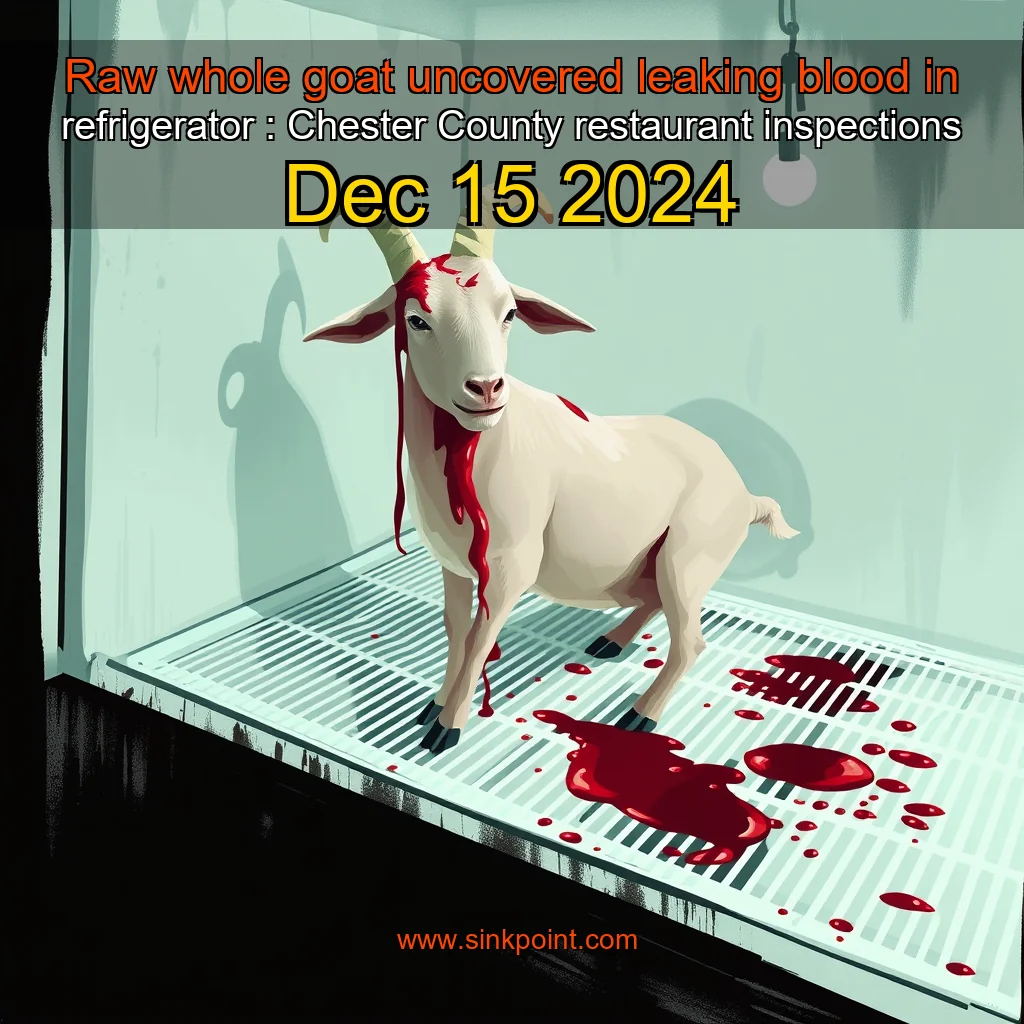
The inspection report observed a raw whole goat uncovered and leaking blood on the bottom of the refrigerator. This is a critical issue, as raw meats need to be stored in a way that prevents cross-contamination and the growth of pathogens. The report noted that raw meats should be stored in the order of their internal cooking temperature for killing pathogens. In this case, the raw goat was not stored in a way that met this requirement.
Cleaning and Sanitizing
The inspection report also noted that a wooden cutting board was being used for prepping raw chicken, but it was too large to fit in the 3-compartment sink. This indicates that the cutting board was not properly washed and rinsed, which is a critical step in preventing the spread of pathogens.
Consequences of Non-Compliance
The failure to follow proper food safety practices can have serious consequences, including the risk of foodborne illness. In this case, the Halal Meat Group, LLC facility failed to meet the minimum standards for food safety, which can put consumers at risk.
Follow-up Inspection
A follow-up inspection was conducted on December 4, and the results were satisfactory.
The FDA recommends that you use gloves when handling raw meat, poultry, and seafood. Gloves can be made of latex, nitrile, or vinyl.
The Importance of Proper Food Handling and Storage
Food safety is a critical aspect of maintaining public health. The improper handling and storage of food can lead to the growth of bacteria, contamination, and even foodborne illnesses. In this article, we will discuss the importance of proper food handling and storage, focusing on the use of gloves in food preparation.
The Role of Gloves in Food Preparation
Gloves are an essential tool in food preparation, particularly when handling raw meat, poultry, and seafood. The FDA recommends that gloves be used when handling these foods to prevent the transfer of bacteria and other contaminants. Gloves can be made of latex, nitrile, or vinyl, and they come in different sizes and thicknesses to suit various needs. Latex gloves are the most commonly used type of glove in food preparation. Nitrile gloves are a popular alternative to latex gloves, as they are more resistant to oil and other chemicals. Vinyl gloves are often used for tasks that require a high level of protection, such as handling raw meat.
The Risks of Not Using Gloves
Not using gloves when handling raw meat, poultry, and seafood can lead to serious consequences. Bacteria such as Salmonella and E. coli can easily transfer to food and cause illness. In fact, the FDA estimates that foodborne illnesses result in over 48 million cases of illness and 3,000 deaths each year in the United States. Raw meat, poultry, and seafood can harbor bacteria such as Salmonella and E.
and Dec. 8. and Starbucks @ West Chester University Center for the Arts, 710 E. High St, West Chester, Dec. 11. Locations: Various Locations in Coatesville, West Chester, and Kennett Square. Date: December 4, 8, and 11. Time: 2:00 pm – 4:00 pm.
4-Gallon containers of 2% reduced fat milk stored in walk in cooler past manufacturers dates 12/6/2024. 1-Gallon container of Whole milk stored in walk in cooler past manufacturers dates 01/03/2025. All of these dairy products were voluntarily discarded. The report highlights violations at two different facilities, Tredyffrin-Easttown Middle School and Villa St. Martha. At Villa St. Martha, a significant issue was discovered during a routine inspection on December 4.
Wayback Burgers, 3483 E. Lincoln Highway, Unit B, Thorndale, December 4. Pass. Cases of food stored on floor in walk in freezer. Store 6 inches off floor. Employee coat stored directly on top of food on dry storage shelf. Store all personal items in a separate designated area. Resurface and repaint the metal partition between the food prep sink and 3 bay sink. Ensure surface is smooth, non porous and easily cleanable. Used equipment and sanitizer bucket in sanitizer basin at 3 bay sink. Clean and sanitize sink, utilize for designated purpose only. Clean shelf in cabinet under self serve ice tea/lemonade dispenser. Several chemical spray bottles stored hanging on soda box storage racks. Store all chemicals in a separate designated area. Label all secondary containers.
Equipment Inspection Report
Introduction
The purpose of this report is to document the equipment inspection conducted at The Brickette Lounge on December 3. The inspection was conducted to identify any equipment that is in disrepair or not in use, and to provide recommendations for repairs or replacements.
response: investors' guide: mastering market strategies – the hindu businessline.
Equipment Inspection Findings
Equipment Recommendations
The Importance of Monitoring Temperature
In the absence of an irreversible registering temperature indicator or thermometer, it is crucial to rely on visual cues and manual checks to monitor the temperature of the high temperature dishwasher. This can include: