
“It’s not just about the aesthetics, it’s about functionality and durability,” he emphasizes.
The Importance of Quality Kitchens
A quality kitchen is not just a matter of personal taste; it’s a reflection of the homeowner’s lifestyle and priorities. According to Knotts, a well-designed kitchen should be functional, efficient, and durable.
Understanding the Basics of Kitchen Cabinetry
When it comes to kitchen cabinetry, there are several key factors to consider. These include the style, material, and size of the cabinets. The style of the cabinets can greatly impact the overall aesthetic of the kitchen. For example, modern cabinets often feature clean lines and minimal ornamentation, while traditional cabinets may have more intricate details and carvings.
Material Options
Size Considerations
Semi-Custom and Custom Options
If you’re looking for a more tailored approach to your kitchen cabinetry, consider semi-custom or custom options. These options allow you to choose from a variety of styles, materials, and sizes to create a truly unique look.
Semi-Custom Options
Custom Options
Choosing the Right Kitchen Design Style
When it comes to choosing a kitchen design style, there are numerous options to consider. Here are some popular styles to get you started:
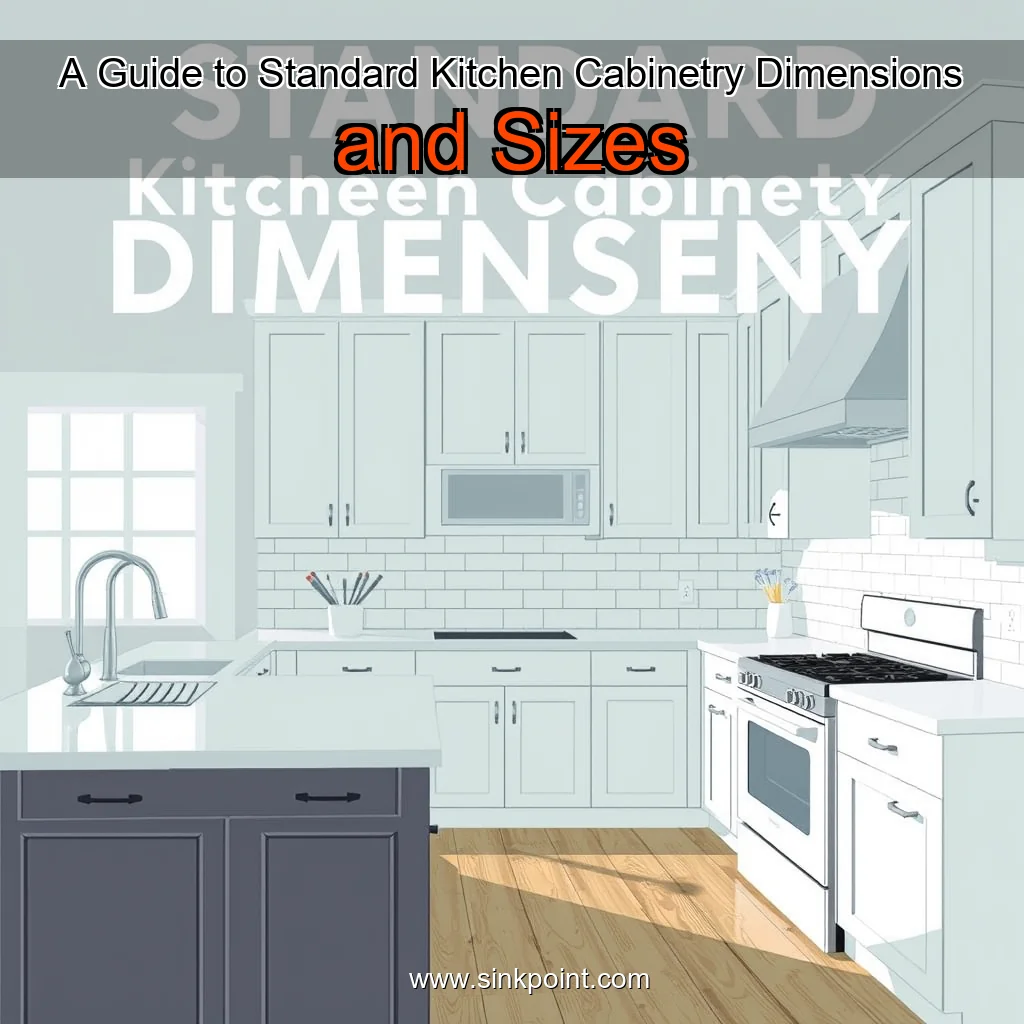
Selecting the right cabinet size is crucial for a harmonious kitchen design and optimal functionality.
Lower cabinets can range from 12 to 36 inches in width and 12 to 24 inches in depth as well.
Choosing the Right Cabinet Size
When selecting a cabinet, it’s essential to consider the overall layout and design of your kitchen. The size of the cabinet will impact the overall aesthetic and functionality of the space.
Types of Tall Cabinets
Wall-Mounted Tall Cabinets
Wall-mounted tall cabinets are designed to be installed directly on the wall, providing a sleek and space-saving solution for storing cleaning supplies. These cabinets are ideal for small kitchens, laundry rooms, or bathrooms where floor space is limited. Key features: + Space-saving design + Easy installation + Can be mounted on any wall type (drywall, plaster, or wood) + Often comes with adjustable shelves and drawers
Freestanding Tall Cabinets
Freestanding tall cabinets are designed to be placed on the floor, providing a more traditional storage solution. These cabinets are ideal for larger spaces, such as laundry rooms or utility rooms. Key features: + Can be placed on any floor type (hardwood, tile, or carpet) + Often comes with a wider range of storage options (shelves, drawers, and cabinets) + Can be customized to fit specific needs
Modular Tall Cabinets
Modular tall cabinets are designed to be combined with other cabinets to create a customized storage solution.
Standard cabinet sizes are designed to accommodate standard cabinet sizes and standard appliance sizes. Standard appliance sizes are typically 24-30 inches wide, 24-30 inches deep, and 60-72 inches tall. Standard cabinet sizes are typically 24-30 inches wide, 24-30 inches deep, and 60-72 inches tall.
Kitchen Island Dimensions: A Guide to Planning and Installation
When planning a kitchen island, it’s essential to consider the dimensions of the surrounding cabinets and appliances to ensure a seamless integration. However, the dimensions of a kitchen island can vary significantly depending on the specific design and features you want to include. These sizes are typically:
For example, a standard 24-inch wide cabinet can fit a 24-inch wide appliance, such as a refrigerator or dishwasher.
- • Ensure the base cabinets are level before proceeding with the countertop installation. • Check the floor for any unevenness or obstructions. • Use wood or plastic shims to adjust the base cabinets to the correct level. • Verify the level of the base cabinets after adjusting with shims. ## Preparing the Space for Cabinet Installation
Preparing the Space for Cabinet Installation
Leveling and prepping the space is one of the most often overlooked issues with a cabinet install. If the level of the base cabinets is not correct it will affect the countertop installation. This can lead to a multitude of problems, including uneven countertops, misaligned cabinets, and a general sense of disorganization.
Understanding the Importance of Leveling
Leveling the base cabinets is crucial for a successful cabinet installation. If the base cabinets are not level, it can cause the countertop to be installed at an angle, which can lead to a multitude of problems.
Proper Screw Selection and Length for Cabinet Assembly Ensures a Strong and Safe Structure.
Pre-Drilling and Screw Selection
Pre-drilling through the frame of the cabinet before connecting is a crucial step in the assembly process. This step is essential to ensure that the screws do not split the wood and to prevent any damage to the surrounding material. The type of screw used depends on the type of cabinet and the material it is made of. For example, if the cabinet is made of MDF, it is recommended to use a screw with a coarse thread to provide better grip on the material. On the other hand, if the cabinet is made of solid wood, a screw with a fine thread is more suitable.
Choosing the Right Screw Length
Choosing the right screw length is also crucial in the assembly process. If the screw is too long, it can protrude from the other side of the material, causing damage or creating a hazard. On the other hand, if the screw is too short, it may not provide enough holding power. The screw length should be measured carefully to ensure that it is long enough to provide adequate holding power but not so long that it causes damage.

news is a contributor at SinkPoint. We are committed to providing well-researched, accurate, and valuable content to our readers.