The Problem of FOGs
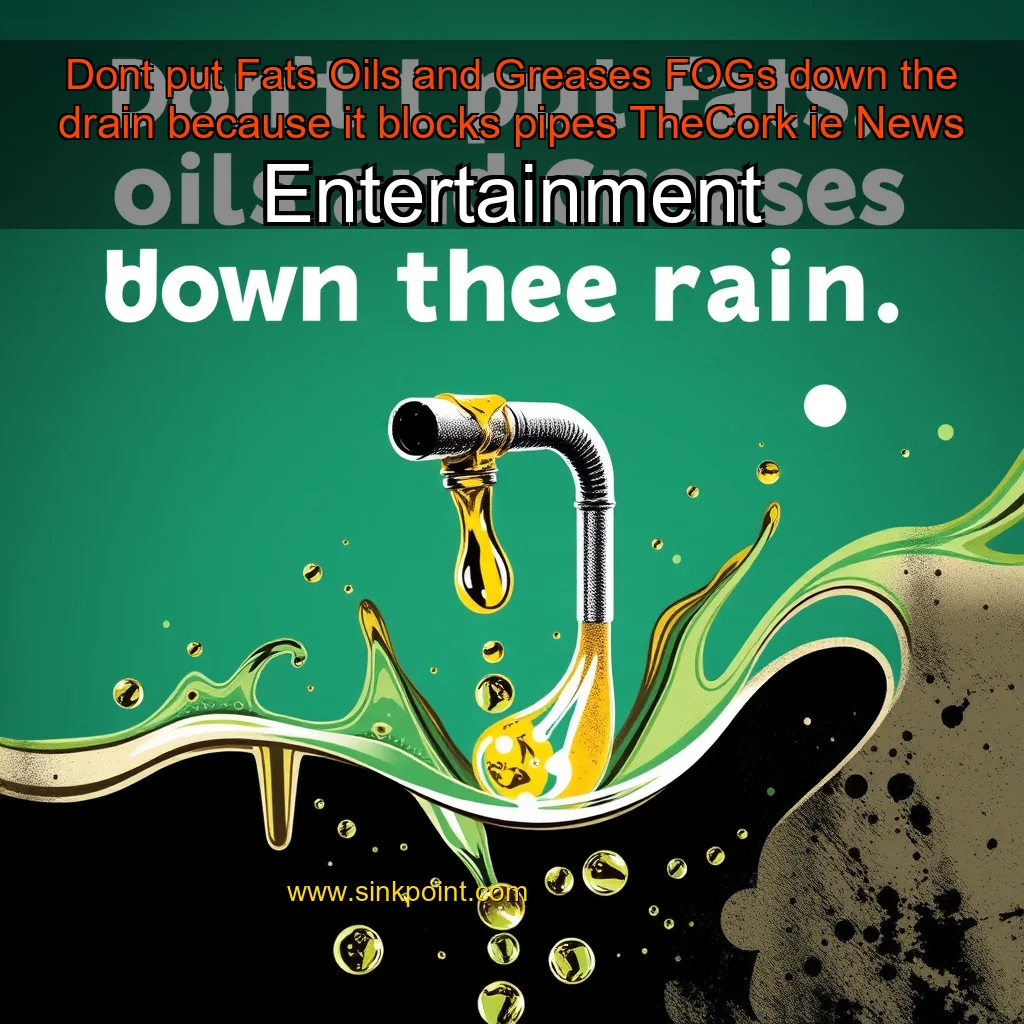
FOGs, or Fats, Oils, and Greases, are a major contributor to the pollution of our waterways. These substances can cause significant problems for our plumbing systems, wastewater networks, and the environment as a whole. Here are some of the ways FOGs can impact our daily lives:
Grease and grime clog sewers, causing costly repairs and environmental damage.
This simple habit can help prevent the formation of fatbergs.
The Problem of FOGs and Fatbergs
The Silent Killer of Sewers
FOGs, or Fats, Oils, and Greases, are a major contributor to the clogging of our sewers. These substances are not biodegradable and can solidify in water, causing blockages that can lead to costly repairs and environmental damage. The problem is often overlooked, but the consequences can be severe.
These blockages can cause costly repairs, sewage backups, and environmental harm.
The Problem of FOGs
A Growing Concern
The issue of FOGs has been gaining attention in recent years, with many cities and towns experiencing severe blockages and backups. The problem is not limited to residential areas; businesses and industries also suffer from the consequences of FOGs. In fact, a study by the American Water Works Association found that FOGs are responsible for up to 30% of all sewer backups.
The Impact on Infrastructure
FOGs can cause significant damage to plumbing systems, leading to costly repairs and replacements. In addition, the blockages can also affect the wastewater treatment process, causing delays and increased costs. Furthermore, FOGs can contaminate waterways, posing a threat to aquatic life and human health.
The Role of Wipes and Other Non-Traditional Items
Wipes, hair, and dental floss are just a few examples of non-traditional items that can combine with FOGs to create fatbergs. These items can be flushed down the toilet without being properly treated, leading to the formation of blockages.
Wastewater networks are vulnerable to blockages, posing significant risks to public health and the environment.
The Importance of Clearing Blockages in Wastewater Networks
Wastewater networks are a critical component of modern urban infrastructure, responsible for collecting and treating wastewater from households, businesses, and institutions. However, these networks are prone to blockages, which can have severe consequences on public health, the environment, and the economy.
The Consequences of Blockages
Remember: Cool, Collect, Bin – It’s that easy!

news is a contributor at SinkPoint. We are committed to providing well-researched, accurate, and valuable content to our readers.