The P Trap: A Critical Component in Modern Plumbing Systems
The P-trap is an essential element in residential and commercial plumbing systems that ensures the efficient flow of wastewater while preventing sewer gases from entering indoor spaces.
This article delves into the intricacies of the P-trap, exploring its design principles, installation techniques, maintenance requirements, common issues, and how it compares to other types of traps used in modern plumbing installations.
Understanding the Anatomy of a P Trap
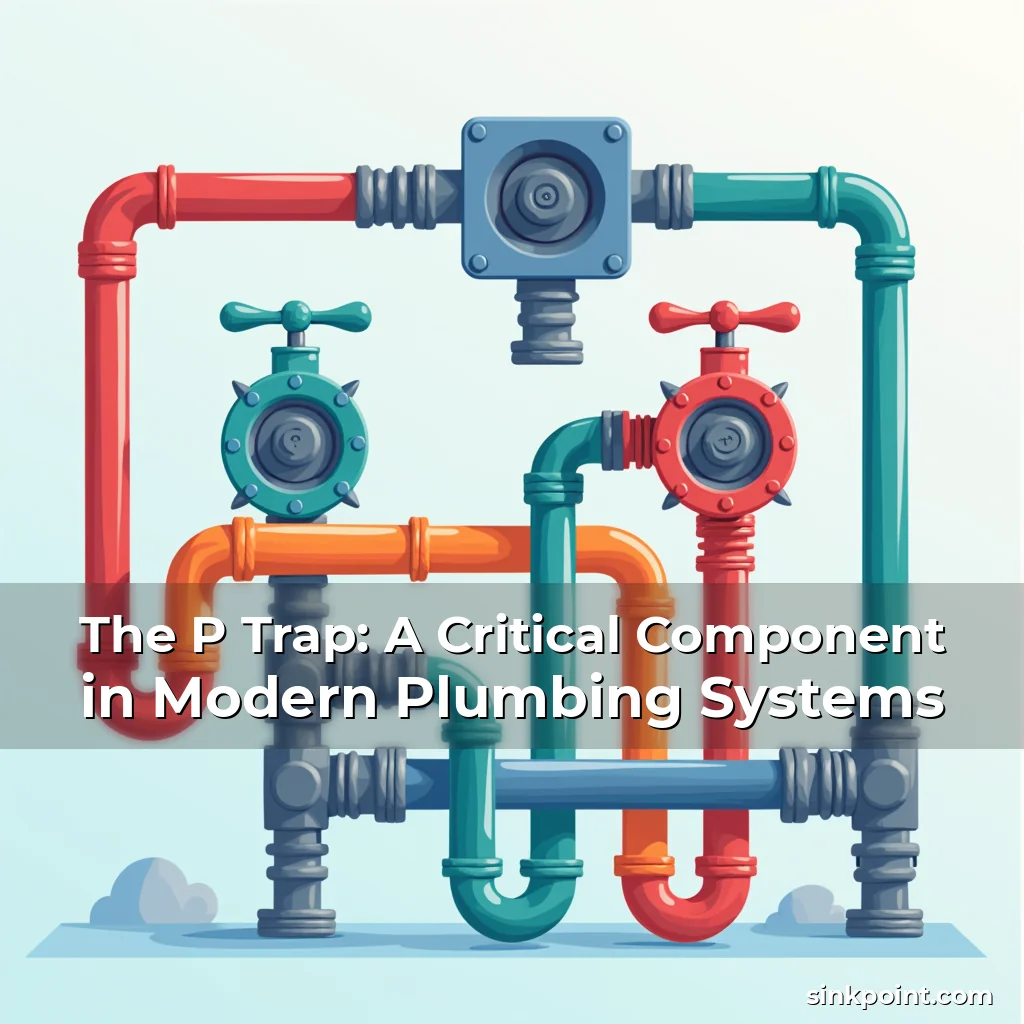
A P-trap consists of a U-shaped bend connected by two straight pipe segments, forming a loop that holds water to create a seal against sewer gas infiltration.
This configuration allows wastewater to pass through while maintaining a barrier between the drainage system and living areas.
- Material Composition: Typically constructed from durable materials such as PVC, ABS plastic, or metal alloys depending on local building codes and environmental conditions.
- Design Features: Incorporates precise curvature measurements to ensure optimal functionality without causing clogs or backflow issues.
Functionality and Purpose of the P Trap
The primary function of the P-trap is to prevent harmful sewer gases from escaping into homes or businesses via drains.
It achieves this by creating a water seal within the curved portion which acts as both a physical and chemical barrier against odorous substances present in sewage lines.
This water seal also helps maintain atmospheric pressure balance within the drainage network.
In addition to odor control, the P-trap plays a crucial role in minimizing the risk of pests accessing interiors through drain openings.
Installation Best Practices for P Traps
Proper installation of a P-trap requires careful attention to alignment, slope orientation, and secure fastening methods.
All connections must be made using approved sealing compounds suitable for the material type being utilized.
Ensuring correct pitch angles during setup prevents potential blockages caused by improper waste disposal practices.
Installers should always verify compliance with local municipal regulations regarding minimum clearance distances around fixtures equipped with P-traps.
Maintenance and Troubleshooting Techniques
Routine inspection schedules are vital for identifying early signs of wear, leaks, or obstructions affecting P-trap performance.
Cleaning procedures involve removing accumulated debris manually or employing specialized tools designed specifically for unclogging tasks related to P-traps.
If persistent foul smells emanate from drains despite regular cleaning efforts, it may indicate either insufficient water levels inside the trap or damage to internal components requiring replacement.
Homeowners can perform simple checks themselves before contacting professional plumbers for complex repairs involving damaged piping structures beneath flooring surfaces.
Common Issues Encountered With P Traps
Frequent problems include clogged passages due to excessive use of grease-based products or non-biodegradable items flushed down sinks and toilets.
Leaks at connection points often result from degraded gaskets over time or incorrect torque applied when tightening fittings.
Sometimes, improperly installed units fail to form adequate seals leading to recurring odor complaints among occupants.
These challenges underscore the importance of periodic assessments conducted by qualified professionals familiar with contemporary standards governing safe sanitation practices.
P Trap vs Other Types of Drainage Seals
While there exist alternative solutions such as S-traps and bottle traps, each has distinct advantages and limitations based upon application scenarios.
The S-trap features similar curvatures but lacks sufficient depth necessary for effective long-term sealing capabilities compared to traditional P-trap designs.
Bottle traps offer compactness ideal for limited space environments; however, they tend to require more frequent manual refilling operations to sustain their protective barriers effectively.
Selecting between these options depends heavily on factors including available room dimensions, expected usage patterns, and regional construction guidelines specifying permissible configurations.
Eco-Friendly Considerations in P Trap Usage
Modern advancements have led to development of eco-conscious alternatives incorporating recycled plastics alongside biodegradable elements enhancing sustainability profiles significantly.
Such innovations not only reduce reliance on virgin resources but also minimize environmental impact associated with manufacturing processes traditionally linked to conventional metallic counterparts.
Moreover, energy-efficient production methodologies now enable manufacturers to achieve higher output volumes while consuming less power thereby contributing positively towards global carbon reduction targets set forth internationally.
Adopting environmentally responsible choices supports broader initiatives aimed at preserving natural ecosystems undisturbed by human activity perpetuating resource depletion cycles indefinitely.
The Future of P Trap Technology
Ongoing research continues exploring ways to enhance durability aspects further reducing need for replacements thus lowering overall lifecycle costs substantially.
Newly emerging smart technologies integrate sensors capable of detecting anomalies like sudden drops in water level indicative of possible breaches threatening structural integrity.
These developments promise improved reliability along with enhanced user experience particularly beneficial for high-traffic facilities where consistent operation remains paramount across extended periods.
As technological progress accelerates rapidly, staying informed about latest updates enables stakeholders involved in either residential or industrial sectors make well-informed decisions aligning strategic objectives accordingly.
Conclusion
The P-trap stands out as a fundamental component ensuring hygienic living conditions supported by robust infrastructure safeguarding public health interests globally.
By understanding its structure, purpose, proper handling protocols, troubleshooting approaches, comparative merits vis-a-vis substitutes, ecological implications, and future trajectories, individuals gain comprehensive insight facilitating better decision-making processes concerning personal property management activities centered around plumbing needs.

news is a contributor at SinkPoint. We are committed to providing well-researched, accurate, and valuable content to our readers.