The Rustic Charm of Farmhouse Sinks: A Timeless Addition to Modern Kitchens
Farmhouse sinks have become a beloved staple in contemporary kitchens, blending rustic appeal with functional design. Their enduring popularity stems from their ability to evoke nostalgia while meeting modern needs.
With a wide range of materials, styles, and installation options, these sinks offer something for every homeowner looking to enhance their culinary space. Whether you’re renovating an old home or building new, understanding the nuances of farmhouse sinks can transform your kitchen experience.
Understanding What Makes a Farmhouse Sink Unique
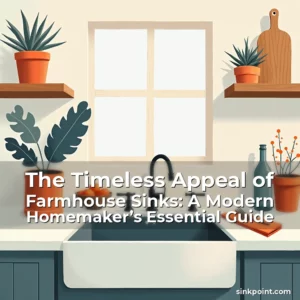
A farmhouse sink is characterized by its deep basin and apron front design that extends beyond the countertop. This feature not only adds visual interest but also provides extra depth for washing large items like pots and pans.
The name “farmhouse” originates from its historical use on rural properties where durability was essential. Today, manufacturers continue this legacy by crafting sinks that are both stylish and long-lasting.
- Rustic Appeal: The natural texture and finish of many farmhouse sinks mimic traditional materials used in farmhouses, creating a warm atmosphere.
- Versatile Style: Available in various finishes such as matte black, brushed nickel, and copper, they complement different decor themes ranging from country to industrial.
Materials Used in Farmhouse Sinks
Selecting the right material is crucial when choosing a farmhouse sink. Common choices include stainless steel, cast iron, fireclay, and composite granite.
Each material has distinct characteristics affecting cost, maintenance requirements, and aesthetic outcomes. For instance, fireclay offers a rich look but may be more prone to cracking under extreme temperature changes.
Comparative Analysis of Materials
Stainless steel is known for its affordability and ease of cleaning, making it ideal for high-use environments. However, it lacks the warmth provided by other materials.
Cast iron sinks provide exceptional heat retention and sound dampening qualities; however, they tend to be heavier than alternatives which might affect installation considerations.
Installation Options for Farmhouse Sinks
Farmhouse sinks come in two primary installation types: drop-in and undermount. Drop-in models sit atop the countertop edge whereas undermount versions are embedded within the counter surface.
The choice between them affects both aesthetics and functionality. Undermounted sinks typically appear cleaner since there’s no visible rim around the opening.
Design Considerations When Choosing a Farmhouse Sink
Before purchasing a farmhouse sink, consider how well it integrates with existing cabinetry and countertops. The size and shape must align with available space without compromising usability.
Additionally, think about plumbing connections required during installation. Some models necessitate special fittings that could influence overall project complexity and budget.
Evaluating Space Requirements
Measure your kitchen thoroughly before selecting any model. Ensure adequate clearance near the sink area for comfortable movement and accessibility features like pull-out faucets or dish racks.
If space permits, opting for larger basins allows greater flexibility in handling oversized dishes or utensils commonly found in busy households.
Maintenance and Care Tips for Longevity
To maintain optimal performance and appearance over time, regular cleaning routines using non-abrasive cleaners help preserve surfaces against scratches or stains.
For certain materials like fireclay, periodic sealing treatments prevent water damage while maintaining color integrity across seasons.
Trends Shaping the Future of Farmhouse Sinks
Current trends show increasing demand for customizable designs allowing homeowners personalization through color selection or custom dimensions tailored specifically for unique spaces.
Sustainable manufacturing practices are gaining traction among producers aiming at reducing environmental impact without sacrificing quality standards associated traditionally with farmhouse style elements.
Budget-Friendly Alternatives Without Compromising Quality
While premium brands often command higher prices due to superior craftsmanship involved, several mid-range options deliver comparable results at lower costs.
Researching reviews online helps identify reliable yet affordable products suitable based upon individual preferences regarding looks versus practicality factors related mainly towards daily usage patterns.
Why Choose a Farmhouse Sink Over Other Styles?
Farmhouse sinks stand out because they combine beauty with utility unlike many conventional styles focused solely either purely decorative purposes or strictly utilitarian functions.
This dual benefit makes them particularly appealing especially those seeking harmony between form aesthetics desired alongside efficient operation necessary everyday living scenarios encountered frequently within domestic settings involving meal preparation activities regularly occurring inside most homes today.
Conclusion
In conclusion, farmhouse sinks represent more than just another type of kitchen fixture—they embody lifestyle choices reflecting values tied closely together appreciation nature simplicity coupled effectiveness achieved through thoughtful engineering approaches applied consistently throughout entire product development lifecycle stages covering everything starting initial concept creation moving forward final production phases ensuring end users receive exactly what they expect whenever installing new appliances intended primarily serving core household responsibilities centered largely around food processing tasks performed routinely each day regardless location age demographic group concerned.
Whether you’re drawn to their nostalgic charm or impressed by their multifunctional capabilities, investing in a farmhouse sink promises lasting satisfaction enhancing both visual appeal and operational efficiency simultaneously achieving balance difficult attaining elsewhere contemporary marketplace saturated numerous competing solutions vying attention similar niche segments targeted similarly broad audiences comprising diverse backgrounds experiences united common goal improving lives through better designed interiors facilitating easier completion routine chores becoming integral parts successful functioning societies worldwide relying heavily infrastructure supporting basic human necessities including nourishment fundamental aspect survival itself.

news is a contributor at SinkPoint. We are committed to providing well-researched, accurate, and valuable content to our readers.