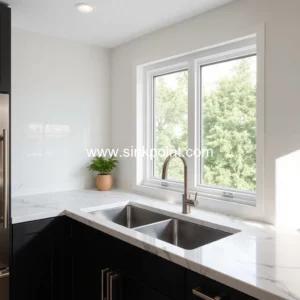

This growth is driven by increasing demand for modern and hygienic kitchen and bathroom sinks, as well as the rising popularity of smart home technology.
The Rise of Smart Home Technology
The integration of smart home technology in kitchen and bathroom sinks is a key driver of the market’s growth. With the increasing adoption of smart home devices, consumers are looking for sinks that can seamlessly integrate with their existing smart home systems. This has led to the development of sinks with advanced features such as voice control, touchless operation, and water-saving capabilities. Key features of smart sinks: + Voice control through integration with virtual assistants like Alexa or Google Assistant + Touchless operation using sensors and motion detection + Water-saving capabilities through advanced flow control systems + Integration with smart home systems for seamless control and monitoring
Modern and Hygienic Sinks
The demand for modern and hygienic kitchen and bathroom sinks is also driving the market’s growth. Consumers are looking for sinks that are not only aesthetically pleasing but also easy to clean and maintain.
These features are not only convenient but also provide a sense of luxury and high-end quality.
The Rise of Smart Sinks
The demand for smart sinks is on the rise, driven by consumers’ desire for innovative and high-tech solutions in their kitchens. Design professionals are responding to this trend by incorporating smart sink features into their designs. Touchless faucets, for example, allow users to turn on and off the water supply without physically touching the faucet. This feature is not only convenient but also reduces the risk of germ transmission and bacterial growth. Key benefits of smart sinks: + Convenience + Reduced risk of germ transmission + Luxurious feel + High-end quality
The Future of Kitchen Design
As smart sinks become more prevalent, kitchen design is evolving to incorporate these features. Design professionals are exploring new ways to integrate smart sink technology into their designs. For example, some designers are incorporating smart sink systems into their designs, which can monitor water usage and provide real-time feedback to users. Emerging trends in kitchen design: + Integration of smart sink technology + Monitoring of water usage + Real-time feedback to users + Increased focus on sustainability
The Impact on Sustainability
The integration of smart sink technology into kitchen design is having a positive impact on sustainability. By monitoring water usage and providing real-time feedback to users, smart sinks can help reduce water waste and promote more efficient use of this precious resource. This, in turn, can contribute to a reduction in the environmental impact of kitchen design. Benefits of smart sinks for sustainability: + Reduced water waste + Increased efficiency + Promotes sustainable use of water + Contributes to reduced environmental impact
Conclusion
The National Kitchen and Bath Association survey highlights the growing interest in smart sinks among consumers.
Revolutionizing Water Purification with Integrated Filtration Systems.
Water conservation measures are being implemented in various settings, including homes, offices, and public spaces.
The Rise of Integrated Filtration Systems
A New Era in Water Purification
The world is witnessing a significant shift in the way we approach water purification. Gone are the days of relying on cumbersome water filters or bottled water. Integrated filtration systems are revolutionizing the way we access clean drinking water, providing a convenient, efficient, and sustainable solution. These systems are designed to purify water directly from the sink, eliminating the need for separate filtration units or bottled water.
Key Features of Integrated Filtration Systems
The market is driven by increasing demand for kitchen sinks with advanced features, such as touchless faucets and smart sinks.
The Rise of Smart Kitchen Sinks
The U.S. kitchen sinks market is experiencing a significant transformation, driven by the growing demand for smart kitchen sinks. These sinks are equipped with advanced features such as touchless faucets, smart sensors, and voice-controlled interfaces. The increasing popularity of smart home technology has led to a surge in demand for smart kitchen sinks that can integrate seamlessly with other smart devices. Key features of smart kitchen sinks: + Touchless faucets + Smart sensors + Voice-controlled interfaces + Integration with smart home devices + Energy efficiency + Water conservation
The Benefits of Smart Kitchen Sinks
Smart kitchen sinks offer a range of benefits to consumers, including improved hygiene, increased convenience, and enhanced functionality. Some of the key benefits of smart kitchen sinks include:
The market is expected to grow at a CAGR of 4.5% from 2023 to 2028, driven by increasing demand for water-efficient fixtures and sustainable products.
The Rise of Water-Efficient Fixtures
The kitchen and bathroom sinks market is being driven by a growing awareness of the importance of water conservation. As governments and regulatory bodies implement stricter water-saving measures, manufacturers are responding by developing more efficient and sustainable products. Key features of water-efficient sinks include: + Low-flow rates (less than 2.5 gallons per minute) + Dual-flush technology (allowing users to choose between a full flush and a partial flush) + Aerodynamic designs that reduce water usage + Materials that minimize water waste (e.g., ceramic and glass)
The Impact of Sustainable Materials
The use of sustainable materials in kitchen and bathroom sinks is becoming increasingly popular. These materials not only reduce water waste but also minimize the environmental impact of production and disposal.

news is a contributor at SinkPoint. We are committed to providing well-researched, accurate, and valuable content to our readers.